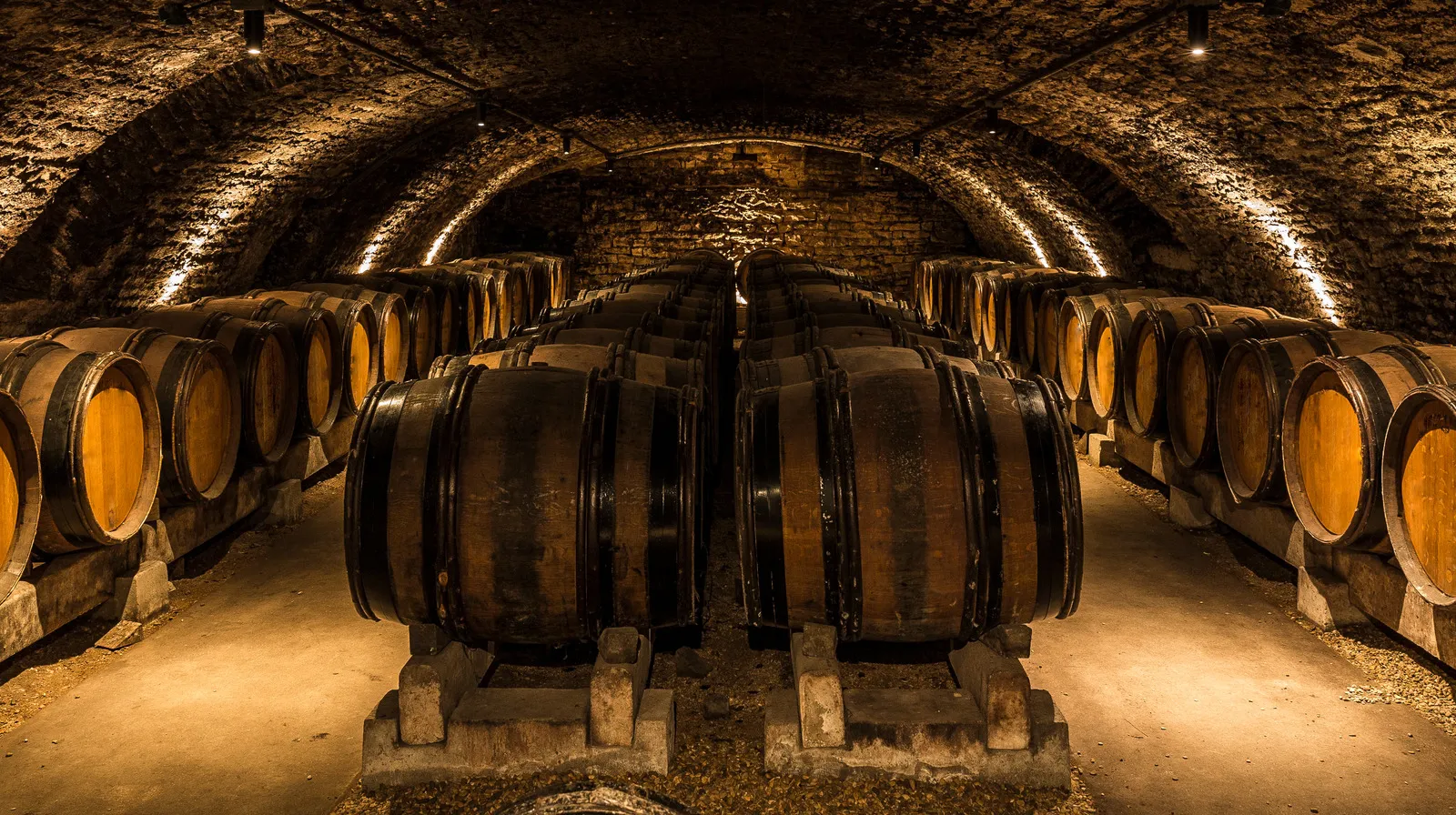
What are you harvesting?
Low fees and scale increasingly dominate the investment conversation. Execution efficiency has become an industry mantra. But in the race to optimise costs and standardise processes, a harder question can get lost:
What opportunities are being left behind?
Some strategies simply don't scale easily. They may involve complexity, illiquidity, smaller markets or specialist expertise. Those characteristics are not inherently attractive — but neither should they automatically disqualify an investment.
When cost, liquidity and scale become primary filters, investors risk screening out the very characteristics for which they may potentially be compensated.
Scale clearly has advantages: wider access, lower transaction costs and more standardised processes. But those same characteristics can also create a blind spot. Illiquidity premia, structural inefficiencies and specialist strategies often exist precisely because they are difficult to standardise or access at scale.
The question, therefore, isn't whether low-cost beta or specialist alternatives are *better*. They serve different purposes.
The more interesting question is whether a portfolio leaves room for both — and whether efficiency has quietly become an investment objective in itself.
At the end of the day, perhaps it comes down to a simpler question:
What are you harvesting — and what are you willing to cultivate?
Are you harvesting low-cost beta — or cultivating long-term, high-quality alpha?